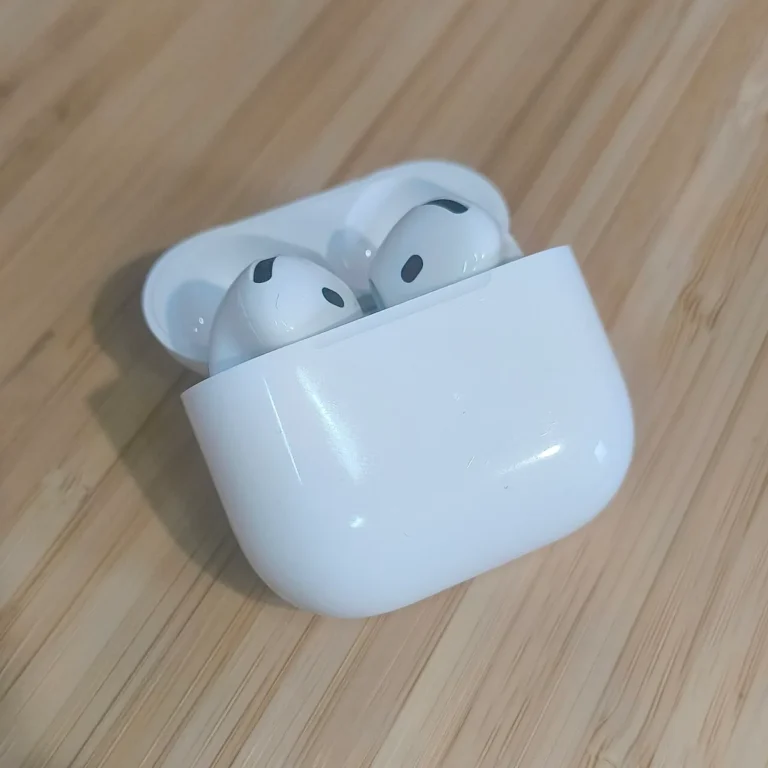
Earbuds vs Over-Ear Headphones: Which Should You Buy?
Earbuds vs Over-Ear Headphones: Which Should You Buy? The answer depends on how you listen. Earbuds suit portability, exercise, and quick phone calls.
Over-ear headphones usually win for comfort, battery life, and immersive listening. Your best choice comes down to fit, daily routine, and priorities.
As of 2026, both categories offer Bluetooth multipoint, active noise cancellation, and spatial audio. Active noise cancellation uses microphones and electronic processing to reduce outside sound. Manufacturer specifications show major differences in weight, battery life, water resistance, and charging design.
Start by comparing how each option works in everyday use.
Earbuds vs Over-Ear Headphones: Which Should You Buy?
Choose earbuds if you want small size, easy carrying, and exercise-friendly comfort. Choose over-ear headphones for longer sessions and fuller isolation. Earbuds work well for commuters, students, and active users.
Over-ear models suit travelers, office workers, gamers, and music listeners.
How Earbuds and Over-Ear Headphones Differ in Everyday Use
Earbuds sit inside the ear canal or at its opening. Over-ear headphones surround the ears with padded ear cups. That physical difference affects comfort, isolation, portability, and sound presentation more than many feature lists suggest.
True wireless earbuds usually weigh only a few grams per side. Their charging case protects them and adds several extra charges. Over-ear headphones need more space in a bag, though folding hinges and travel cases make them easier to carry.
Earbud comfort depends heavily on the ear-tip seal. A loose seal can weaken bass and let in more outside noise. A tight seal may cause pressure or soreness after extended listening.
Foam tips can improve stability, while silicone tips are easier to clean.
Over-ear comfort depends on the headband, ear-cup padding, and clamping force. Glasses wearers may feel extra pressure where the frames meet the cushions. Closed-back ear cups can also trap heat during long sessions.
Open-back designs feel airier, but they leak sound and provide little isolation.

Image source: Wikimedia Commons / ScribblingGeek (CC BY-SA)
What changes sound quality?
Over-ear headphones have more room for larger drivers and acoustic chambers. That can produce a wider soundstage and stronger separation. Properly fitted earbuds can still sound detailed, especially when their ear tips create a reliable seal.
Noise control works differently, too. ANC earbuds reduce outside noise while staying compact. Over-ear headphones add larger cushions, which provide more passive isolation before ANC begins.
The World Health Organization recommends safe listening habits because neither design prevents hearing damage at excessive volume.
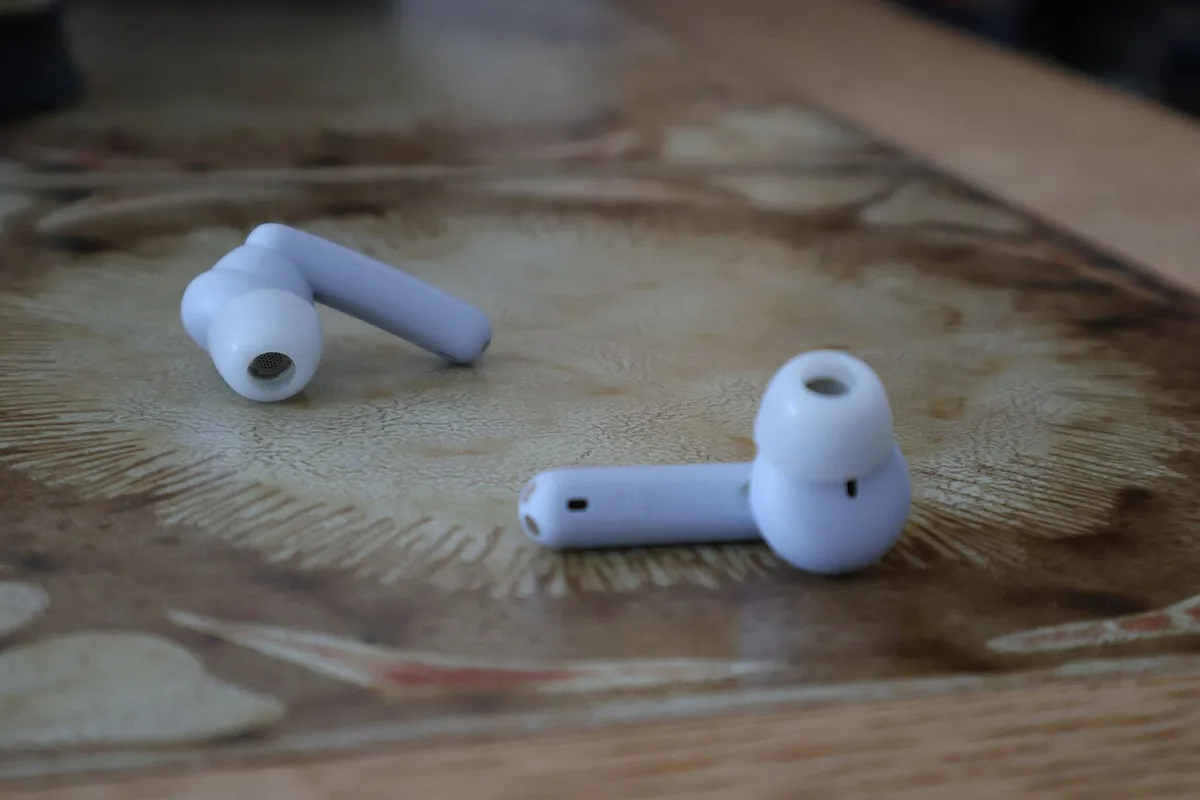
Image source: Wikimedia Commons / Kent Madsen (CC BY-SA)
Which option is easier to control?
Earbuds often use touch controls, voice assistants, or small physical buttons. These controls save space but can trigger accidentally when you adjust the fit. Over-ear headphones usually offer larger buttons or dials that are easier to find without looking.
For calls, both designs can work well. Over-ear models have more room for microphones and wind protection. Earbud call quality varies more because the microphones sit farther from your mouth.
Earbuds vs Over-Ear Headphones: Side-by-Side Comparison
The right choice becomes clearer when you compare the factors that affect daily use. Specs such as battery life and weight matter, but fit and reliability often decide whether you keep using the product.
| Factor | Earbuds | Over-ear headphones |
|---|---|---|
| Portability | Excellent, pocket-friendly | Good, but needs more bag space |
| Long-session comfort | Depends on ear-tip fit | Often better for avoiding ear-canal pressure |
| Exercise | Usually better, especially with stabilizers | Can feel hot or shift during movement |
| Battery setup | Earbuds plus charging case | One larger built-in battery |
| Isolation | Strong with a proper seal | Strong with closed-back cups and ANC |
| Soundstage | Compact and direct | Often wider and more spacious |
| Calls | Convenient, quality varies by model | Often clearer in quiet environments |
| Durability concerns | Small parts and lost earbuds | Hinges, cushions, and headbands can wear |
Earbuds make the most sense when convenience comes first. You can leave the case in a pocket and use one earbud for a short call. They also avoid the heat that builds around the ears during warm commutes.
Over-ear headphones make more sense when you sit for long periods. Their larger design supports bigger controls, longer battery capacity, and replaceable cushions on some models. They’re also harder to misplace than two tiny earbuds.
Charging habits differ between the two. Earbuds return to the case after use, so the case must stay charged. If your phone already has charging problems, review these power troubleshooting steps before blaming the earbuds.
Connection features can narrow the gap. Bluetooth multipoint lets compatible headphones connect with two devices, such as a laptop and phone. Check the manufacturer’s compatibility list because multipoint behavior varies across operating systems.
For computers, USB-C audio can add another connection option. If an accessory fails to connect, these USB-C connection fixes may help identify whether the problem is the hub, cable, or device.
Which Is Best for Travel, Work, Exercise, Gaming, and Music?
There isn’t one universal winner. Match the design to the place, movement level, and listening time you expect.
Commuting and air travel
Choose earbuds if pocket space matters most. A secure seal and ANC can reduce engine noise without adding much weight. Their small case also fits easily beside a phone, passport, or charging cable.
Choose over-ear headphones if you want stronger passive isolation and longer listening comfort. Their ear cups can reduce low-frequency travel noise before electronic cancellation begins. The trade-off is bulk, heat, and more noticeable weight around your head.
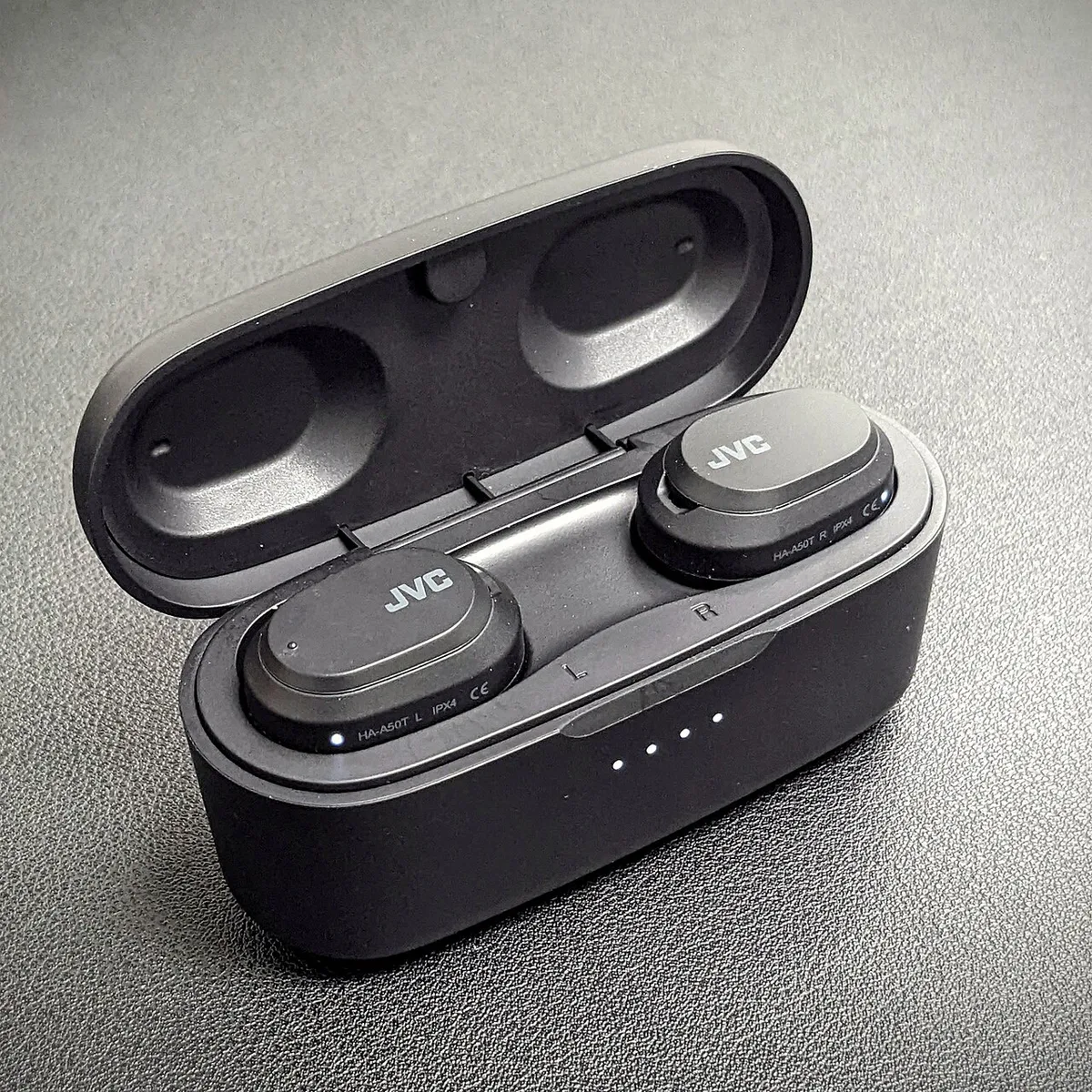
Image source: Wikimedia Commons / Steve Rainwater from Irving, US (CC BY-SA)
Offices, studying, and remote work
Over-ear headphones often work better for long desk sessions. They stay in place without pressing inside the ear canal. Larger controls can also make muting, pausing, or changing volume easier.
Earbuds are better for quick conversations and flexible awareness. Transparency mode lets outside sound reach your ears through the microphones. That helps when you need to hear a colleague, doorbell, or transit announcement.
For laptop users, look for reliable Bluetooth multipoint and a clear microphone. You can find related computer accessories in the site’s laptop gear section.
Exercise and outdoor use
Earbuds usually win for workouts because they’re lighter and less likely to trap heat. Choose a secure fit with ear wings or stabilizers if standard tips slip. Check the IP rating before exposing them to sweat or rain.
Over-ear headphones suit light gym sessions or stationary workouts. They’re less suitable for running, cycling, or hot outdoor training. Neither design should block awareness around traffic or other hazards.
Gaming, movies, and music
Over-ear headphones are usually better for gaming and films. Their larger ear cups can create a wider presentation and often deliver stronger positional cues. Wired modes may also reduce Bluetooth latency.
Earbuds suit casual gaming and mobile viewing. Low-latency modes can reduce delay, but performance depends on the device, game, and connection codec. For music, choose earbuds for compact clarity or over-ear headphones for a more spacious presentation.
Comfort, Fit, and Feature Trade-Offs You Should Check Before Buying
Comfort should be a buying filter, not an afterthought. If the fit causes pain, heat, or pressure, impressive sound quality won’t matter for long.
For earbuds, check these points:
- Try the included ear-tip sizes.
- Run the manufacturer’s fit test if available.
- Confirm the earbuds stay secure when you move your head.
- Avoid forcing a tip deeply into the ear canal.
- Look for stabilizers if ordinary tips slip.
- Check cleaning instructions and replacement-tip availability.
For over-ear headphones, check the headband and cushion design. The ear cups should surround your ears without pressing against them. The headband should feel secure without creating a sharp pressure point.
Noise cancellation also creates trade-offs. ANC can make travel and office listening easier at lower perceived volume. It doesn’t make headphones hearing protection.
Keep volume moderate, take breaks, and use transparency mode when you need environmental awareness.
Battery and connection features deserve a practical check. Manufacturer specifications confirm that advertised battery life often changes with ANC, volume, codec, and call use. If you need all-day listening, compare realistic ANC battery figures rather than the longest headline number.
Finally, check repair and replacement options. Earbuds may lose capacity as their small batteries age. Over-ear models may need new cushions, cables, or headbands.
The cheaper purchase can cost more if parts aren’t available.
Common Buying Mistakes and Safe Listening Practices
A common mistake is choosing by brand or price before checking fit. Earbuds can sound weak when the ear tips fail to seal. Over-ear headphones can feel uncomfortable when the clamp, headband, or cushions don’t suit your head.
Don’t confuse ANC with hearing protection. Active noise cancellation reduces perceived background noise, but it doesn’t make loud environments safe. The World Health Organization recommends keeping volume moderate and taking regular listening breaks.
Avoid these errors:
- Buying earbuds without checking return terms
- Choosing open-back headphones for commuting
- Ignoring sweat and water-resistance ratings
- Expecting advertised battery life with ANC enabled
- Using sealed earbuds where you need full awareness
- Wearing headphones while driving or cycling in unsafe conditions
- Assuming a higher price guarantees better sound
If one earbud stops working, clean its charging contacts and reset the Bluetooth connection. If sound cuts out, remove unused paired devices and update the companion app. For poor calls, check microphone permissions and move away from strong wind.
Earbuds vs Over-Ear Headphones: Costs, Battery Life, and Long-Term Ownership
Earbuds usually cost less to enter, but their total ownership can be harder to predict. The charging case, tiny batteries, and separate replacement parts create more points of failure. Lost earbuds can also turn a good initial price into an expensive replacement.
Over-ear headphones often cost more upfront. They may last longer when the ear pads, cable, and headband are replaceable. Check those parts before buying, especially if you plan to listen for several hours daily.
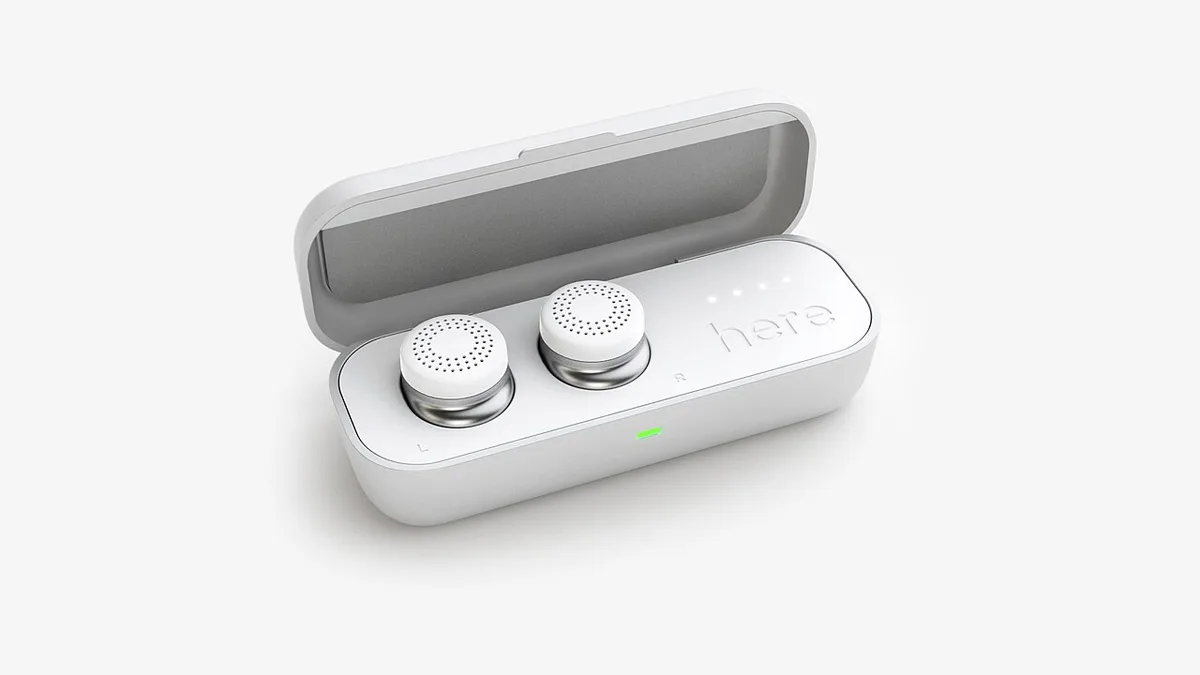
Image source: Wikimedia Commons / Doppler Labs (CC BY-SA)
| Ownership factor | Earbuds | Over-ear headphones |
|---|---|---|
| Typical charging setup | Earbuds plus case | One built-in battery |
| Battery wear | Case and earbuds can age separately | Usually one main battery |
| Replaceable parts | Tips and some cases | Pads, cables, and sometimes batteries |
| Storage | Compact case | Larger protective case |
| Long-term risk | Loss and small-battery failure | Cushion and hinge wear |
Treat battery claims as best-case figures. ANC, high volume, calls, and advanced codecs can reduce runtime. If you rely on all-day listening, compare battery life with ANC enabled and check the charging time.
Frequently Asked Questions
Are earbuds or over-ear headphones better for long listening?
Over-ear headphones are often better for long listening because they avoid pressure inside the ear canal. Earbuds can still work well when the tips fit correctly. Take breaks with either design, and lower the volume if your ears feel tired, sore, or muffled.
Are earbuds better for exercise?
Earbuds are usually better for exercise because they’re lighter and create less heat. Choose a secure fit, stabilizing wings, and a suitable IP rating. Don’t assume water resistance means waterproofing.
Follow the manufacturer’s limits for sweat, rain, and submersion.
Do over-ear headphones sound better than earbuds?
Over-ear headphones often provide a wider soundstage and stronger low-end control. Properly fitted earbuds can deliver excellent detail and isolation. Sound quality depends on the driver, tuning, fit, codec, and source device, not just the headphone size.
Which option has better battery life?
Over-ear headphones often provide longer battery life from one larger battery. Earbuds rely on smaller batteries and a charging case. Compare total listening time, ANC runtime, fast-charging figures, and call performance rather than relying on one headline number.
Are noise-canceling headphones safe?
Noise-canceling headphones are safe when used at moderate volume and worn responsibly. ANC doesn’t replace hearing protection in loud workplaces or concerts. Keep environmental awareness enabled near traffic, and follow safe-listening guidance from health authorities.
Final Recommendation: Which One Should You Buy?
Choose earbuds if portability, exercise, quick calls, and pocket storage matter most. Pick a model with a secure fit, useful transparency mode, dependable microphones, and an IP rating that matches your routine.
Choose over-ear headphones if you spend long periods listening, travel often, or care most about comfort and immersive sound. Look for manageable clamping force, breathable cushions, reliable ANC, multipoint Bluetooth, and replaceable ear pads.
Use this final decision rule:
- If you carry audio everywhere, choose earbuds.
- If you listen for hours at a desk, choose over-ear headphones.
- If you exercise often, choose secure, water-resistant earbuds.
- If you fly regularly, compare ANC and passive isolation.
- If you wear glasses, check cushion shape and clamping pressure.
- If you value repairability, favor headphones with replaceable parts.
The best choice is the one you’ll wear comfortably and consistently. Fit, listening habits, and safe volume matter more than a longer feature list.